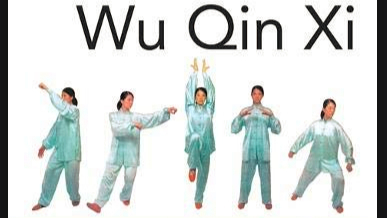
Wu Qin Xi
Introduction
Wu Qin Xi, also known as the Five Animal Frolics, is an ancient Chinese exercise system that dates back approximately 1,800 years. This practice was developed during the Eastern Han Dynasty (25-220) by the renowned surgeon and physician Hua Tuo. Wu Qin Xi is a form of Daoyin Qigong, which involves a series of movements designed to mimic the behaviors of five different animals: the tiger, deer, bear, monkey, and bird. These movements are not merely imitations but are deeply rooted in traditional Chinese medicine and philosophy, symbolizing the balance of yin and yang energies and the five elements (wuxing)–metal, wood, water, fire, and earth. Each animal movement in Wu Qin Xi is associated with specific internal organs and bodily systems, aiming to promote the overall health, improve bodily functions, and enhance emotional well-being. Practicing Wu Qin Xi not only contributes to physical fitness but also fosters mental tranquility and emotional balance.
History
Origin and Development
The origins of Wu Qin Xi can be traced back to the skills and insights of Hua Tuo, a legendary figure in Chinese medicine and a pioneer in surgical techniques, including the use of anesthesia. Hua Tuo's innovative contributions to medicine extended beyond the operating room; he developed Wu Qin Xi as part of a broader philosophy that emphasized the importance of moderate exercise for maintaining health and preventing illness. The practice of Wu Qin Xi is grounded in the concepts of traditional Chinese medicine, such as the balance of qi (vital energy), yin and yang, and the five elements, which align with the respective animal movements. Over the centuries, Wu Qin Xi has evolved and been preserved through various texts and teachings, cementing its status as an integral component of Chinese health and wellness practices.
Cultural Significance
Wu Qin Xi represents an intersection of physical exercise, Chinese philosophy, and traditional medicine. Its emphasis on harmonizing bodily movements with mental focus and regulated breathing reflects the holistic approach of ancient Chinese wellness practices. This exercise embodies the Daoist principles of living in harmony with nature, using movements inspired by animals that symbolize different virtues and qualities. For instance, the tiger signifies strength and courage, while the deer represents grace and flexibility. Through Wu Qin Xi, practitioners aim to align themselves with these animal attributes, thereby achieving a balance that nurtures both physical and mental health. The practice has been celebrated in literature and art, contributing to its cultural prominence and longevity as an exercise tradition in China.
Components
Five Animals
Wu Qin Xi is structured around the movements of five animals, each corresponding to distinct elements and organ systems:
-
Tiger: Associated with wood and the liver, the tiger movements are vigorous and forceful, symbolizing strength and ferocity. These exercises target the kidneys and related systems, encouraging the flow of energy and vitality.
-
Deer: Linked to wood and the liver, the deer movements emphasize grace and agility. They are designed to stimulate the liver and gallbladder, promoting flexibility and detoxification.
-
Bear: Representing earth and the spleen, bear movements are grounded and powerful, focusing on core stability and strength. These exercises enhance digestive and metabolic functions, supporting balance and endurance.
-
Monkey: Corresponding with fire and the heart, monkey movements are lively and playful, intended to invigorate the circulatory system and boost cardiovascular health. They also encourage mental clarity and agility.
-
Bird: Related to metal and the lungs, bird movements are light and expansive, fostering deep breathing and respiratory health. These exercises promote relaxation and openness, enhancing lung capacity and emotional release.
Movements and Techniques
The practice of Wu Qin Xi involves specific sequences and techniques for each animal. These movements are designed to be fluid and dynamic, incorporating elements of stretching, strength training, and balance. Practitioners engage in controlled breathing and mental focus, which are integral to maximizing the benefits of the exercises. The coordination of movements with breath helps to circulate qi throughout the body, enhancing energy flow and promoting overall vitality. Each animal routine includes multiple stances and transitions, tailored to stimulate the corresponding organ systems and encourage a holistic sense of well-being.
Health Benefits
Wu Qin Xi offers a wide range of health benefits, both physical and psychological. Regular practice helps to improve flexibility, strength, and coordination, while also enhancing circulation, digestion, and respiratory function. It is particularly effective in limbering up the joints and nourishing the organs, contributing to overall bodily harmony. Moreover, Wu Qin Xi serves as a powerful tool for emotional catharsis and mental cultivation, assisting in stress reduction and the management of emotional states. The symbolic significance of each animal can positively influence a person's mindset, building self-confidence and self-esteem. By restoring the balance of yin and yang energies, Wu Qin Xi supports the immune system and promotes long-term health and longevity.
Modern Practice
Global Popularity
Despite its ancient origins, Wu Qin Xi has gained international recognition and popularity in recent years. This traditional exercise is now practiced by enthusiasts worldwide, who appreciate its holistic approach to health and wellness. Wu Qin Xi has been introduced to various countries through cultural exchanges, educational programs, and publications. It is often included in wellness retreats, martial arts training, and health workshops, appealing to diverse audiences seeking to integrate traditional practices into their daily routines. The global appeal of Wu Qin Xi lies in its accessibility and adaptability, allowing practitioners to tailor the exercises to their individual health needs and fitness levels.
Integration into Modern Exercise
In contemporary fitness culture, Wu Qin Xi is often incorporated into broader exercise regimens that emphasize holistic well-being. It is compatible with other forms of physical activity, such as yoga, tai chi, and pilates, offering complementary benefits that enhance overall fitness. As an indoor exercise, Wu Qin Xi is particularly suitable for individuals with limited space or those seeking low-impact workout options. Its integration into modern exercise routines reflects a growing awareness of the importance of mind-body practices and the benefits of traditional Chinese health regimens. Wu Qin Xi continues to inspire new generations of practitioners, blending ancient wisdom with modern health and fitness goals.








